Bring the Recovery-First Travel Mood Home for a Quiet Weekend
Travel surveys point toward slower, less exhausting itineraries for 2027. Here is how to translate that low-friction mindset into a calm weekend at home by trimming household decisions, scaling food prep, and keeping cleanup manageable—without booking a trip or buying new gear.
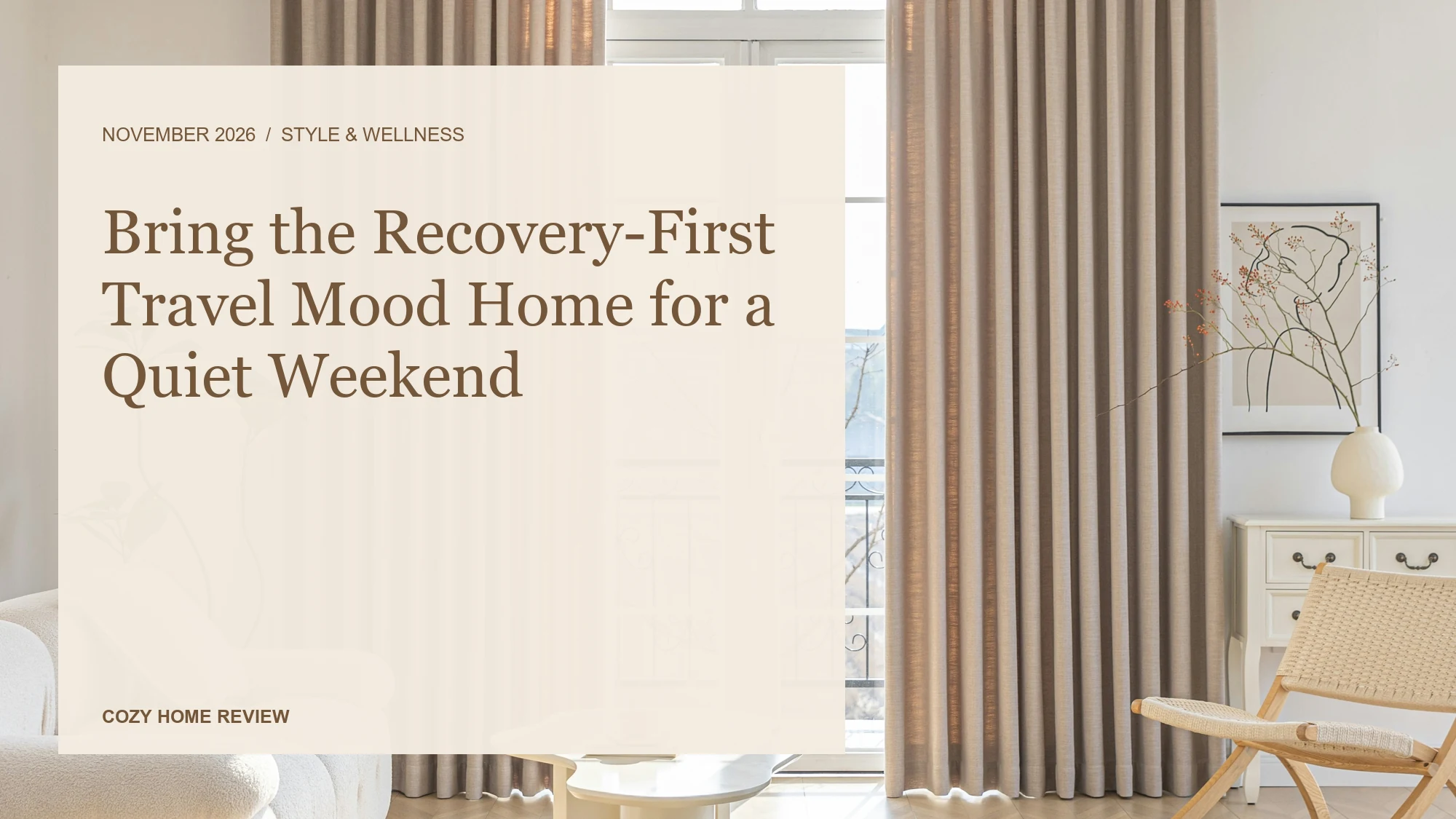
Recreating the calm of a restorative getaway inside your own living space comes down to removing small logistical friction before Friday evening arrives. Instead of buying spa accessories or rearranging furniture, a quiet weekend at home works when you cap your daily decisions, batch messy chores ahead of time, and treat your rooms like a thoughtfully paced itinerary rather than a waiting to-do list.
An October 21, 2026 Booking.com global 2027 travel survey follow-up highlighted interest in restorative travel, less exhausting itineraries, personalized food preferences, budget transparency, and cooking or craft experiences alongside the trip-planning label “recovery-maxxing.” Because survey intentions are not confirmed bookings and “recovery-maxxing” is a planning label rather than a medical or sleep treatment, we borrow only the practical logistics here for an unhurried weekend at home.
Why Home Weekends Feel Busy—and How Hospitality Fixes Friction
When people check into a well-run guesthouse, relief rarely comes from thread count alone. It comes from visible boundaries. Towels are stacked where you need them, meals follow a predictable window, and half-finished household projects are out of sight. At home, visual clutter and open-ended choices quietly drain attention. Deciding what to cook at 7:30 p.m., hunting for scissors mid-project, or staring at a laundry basket turns free hours into low-grade admin work.
Borrowing a recovery-first lens means separating housekeeping from resting. Rather than aiming for a spotless house, choose two zones to reset completely—typically the kitchen counter and one seating corner—and physically close doors on rooms that hold weekday paperwork or repairs.
Map Out a Low-Decision Weekend Setup
Use this planning table on Thursday night to trade open-ended errands for bounded, easy-cleanup choices tailored to your actual square footage.
| Weekend Friction Point | Hospitality Cue | At-Home Setup | Cleanup Boundary |
|---|---|---|---|
| Meal fatigue and dish piles | Set breakfast tray and personalized pantry | Pre-portion two breakfasts and one flexible dinner base on Friday afternoon | One skillet or sheet pan per meal; load dishwasher before sitting down |
| Scattered afternoon hours | Scheduled craft or cooking session | Settle on one tactile activity with tools laid out on a single tray | Everything fits back into one bin within five minutes |
| Vague spending on takeout or supplies | Upfront budget transparency | Set a flat weekend cash or card cap for groceries and hobby materials | Use pantry staples first before buying specialty ingredients |
| Visual reminders of chores | Uncluttered guest sightlines | Clear one side table, lay out fresh hand towels, and stash mail in a drawer | Fifteen-minute Thursday reset; pause non-essential sorting until Monday |
Scale Cooking and Tactile Projects to Your Space
Cooking and craft experiences also appeared alongside less exhausting itineraries in Booking.com’s 2027 survey follow-up, and at home, making something tangible can give a quiet day gentle structure without feeling like an obligation. At home, scale determines whether an activity feels calming or chaotic.
For a compact apartment kitchen, choose one familiar recipe and one small craft rather than starting several projects. In a hypothetical Saturday plan, you could follow a favorite recipe during a free hour and keep mending supplies together on a tray that is put away before the table is needed. Follow the recipe’s storage instructions and keep needles and scissors away from children and pets.
- Accommodate household food preferences calmly: Build a modular meal—such as roasted root vegetables, a pot of grains, and two sauces—so different eaters assemble plates to taste without short-order cooking.
- Stage beverages once: Set a carafe of water, mugs, and tea or coffee on a small tray away from the sink zone so nobody crowds the cook.
- Protect surface area: Leave at least half of your main table empty at all times so rooms retain breathing room.
Set Expectations With Housemates Early
Shared homes—whether with a partner, roommates, or family—often derail quiet weekends through unspoken assumptions about errands, hosting, or shared expenses. Borrowing the travel-survey theme of budget and schedule clarity prevents mid-weekend negotiation. If you want Saturday afternoon off from chores and spending, say so plainly before Friday evening.
Hypothetical household message template: “I’m hoping to keep this weekend really low-key at home. Could we cap food spending at $45 for groceries, do one 20-minute kitchen reset Friday after work, and keep Saturday afternoon completely free of errands or house projects?”
Your Thursday Night Fifteen-Minute Action
Tonight, pick one seating spot where you plan to spend Saturday morning. Clear every stray receipt, charger, and dish within arm’s reach of that chair, place a clean mug and one book or craft tray on the nearest surface, and write down your Friday grocery list with a firm dollar limit. Once those three details are settled, leave the rest of the weekend unscheduled.
Related reading
- Christmas Appetizer Ideas Are Surging: Plan the Table Before the Menu
- The Ski-Mug Trend: How to Choose a Mug for Daily Use
Sources and editorial notes
Research checked November 15, 2026. This is a research-based editorial guide, not a hands-on product test. Suggestions and hypothetical examples are our editorial interpretation; current prices, availability and terms should be checked with the provider.

How to Shop for a Throw When You Can’t Feel It
Fold a blanket you already own to the dimensions of a throw you’re considering. Use the worksheet to compare coverage and care, then…